
Trading biases are mental mistakes or psychological inclinations that affect traders’ strategic ability to make decisions which results in less-than-ideal consequences. The following are five typical biases in trading:
Arrogance Bias
This bias happens when traders take on unduly hazardous deals or fail to manage their risk appropriately because they think they know more or are more skilled than they actually are. In the hopes of a reversal, overconfident traders may overtrade or maintain losing positions for an extended period of time.
Pre-Judgment Bias
Traders who exhibit pre-judgment or confirmation bias ignore contradicting facts in favor of information that supports their preexisting ideas or prejudices. This may cause them to selectively choose evidence that validates their trades and ignore indications denoting they could be mistaken.
Move with the Flow Thinking
Groupthink, or herd mentality bias, is the phenomenon that happens when traders follow the herd without doing their own appropriate research. This might cause traders to respond more to perceived trends or other people’s activities than to fundamental or technical analysis, which can result in inflated market movements.
Drawdown Avoidance Bias
This is the propensity of traders to much rather not incur losses than realize gains of comparable size. Because of this, traders may cling onto losing positions longer than necessary in an attempt to avoid suffering a loss, even in situations where it would be prudent to liquidate losses.
Anchor Bias
This bias results from traders placing undue weight on certain pieces of information while they are making trading decisions because they become fixated on that “anchor” or reference point. A trader could, for instance, base their forecasts for a stock’s price only on its most recent high or low, ignoring other pertinent information.
The prejudices mentioned above likely cause traders to make illogical choices, stray from their tried and true trading style, and ultimately lose money. It takes self-awareness, self-control, and devotion to a clearly defined trading plan to overcome these biases.
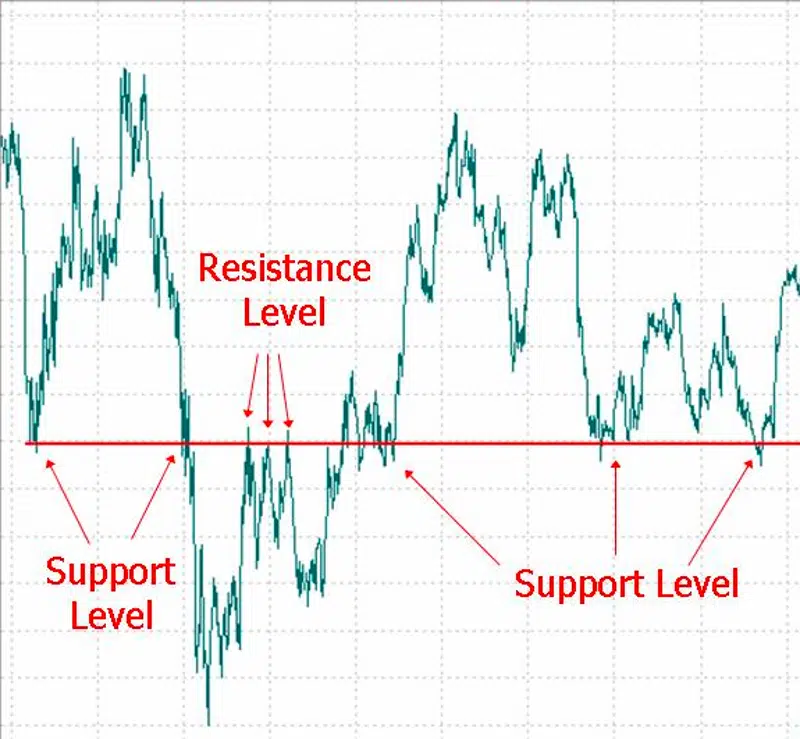
When trading a range, you first determine a set of support and resistance levels. Support levels are low points that appear to form a price floor. Resistance levels are values that an asset cannot seem to break above without significant effort.
Once you’ve discovered the support and resistance levels that define a trading range, simply purchase near support and sell near resistance. You can do this until a breakout occurs, at which point you should wait for new support and resistance levels to emerge to build a new trading range.
Bollinger Bands: Technical Indicator Trading
Bollinger Bands are envelopes entailing two standard deviations above and below the price’s basic moving average.
Together with a graph of the moving average on which they are based, they form a “roadmap” for traders to employ when implementing the scalping method.
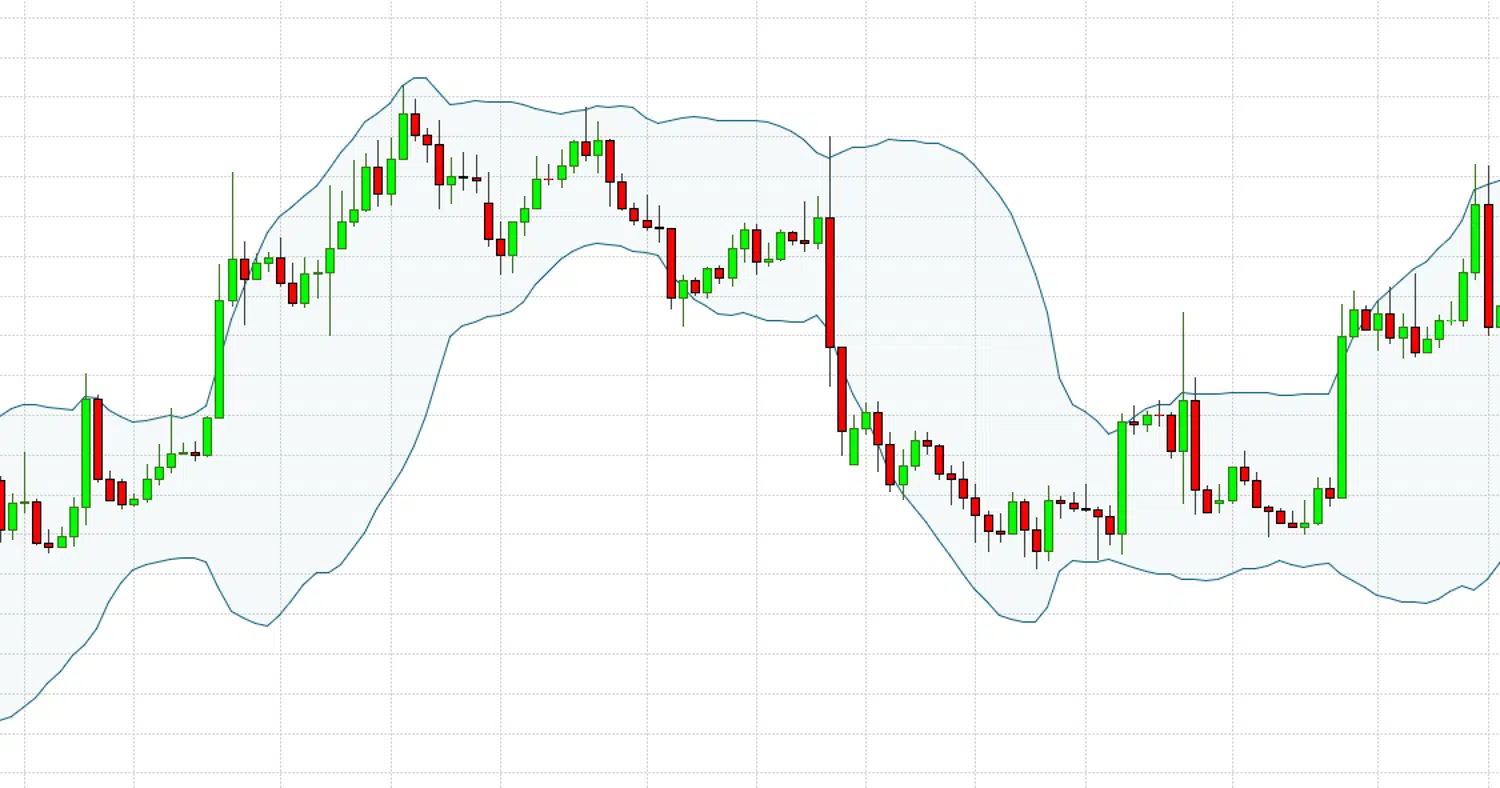
Bollinger bands move in real-time with the price of an asset, providing “guidance” as to what price range the asset should be in based on previous data. One of the most basic applications of Bollinger Bands is scalping when the price reaches either band. If it touches the bottom band, continue long, if it touches the top band, stop short. The trader should preferably hold the trade until the price reaches the opposing band, at which point the market should be ready to reverse course.
However, Bollinger bands do not serve as prison walls. They are instead standard deviations that stretch and restrict around the moving average when the asset’s price and volatility fluctuate. Because the bands track the price’s moving average, the asset’s price is not required to stay along the bands as upper and lower bounds.
The Automatic Stop-Loss
Automated trading robots or “bots” are frequently used by sophisticated high-frequency traders. This has numerous advantages:
Computers trade with no errors, have faster trading speeds, and do not become emotional or switch strategy after a few losses. You may not be able to program your own trading bot just yet, but you may use technology to help you trade.
Some are required to set an automatic stop-loss for each trade. Your stop-loss is the price level at which you direct your futures broker or prop firm to exit the deal at the next available trading price. This technique allows you to limit your losses if a trade unexpectedly goes against you.
By applying such risk management, you may also determine an approximate risk/reward ratio for a transaction ahead of time. Each transaction must have a 6-tick upside potential if you set an automated stop loss of 2 ticks of risk per trade and only accept deals with a 3:1 risk/reward ratio, for example.